
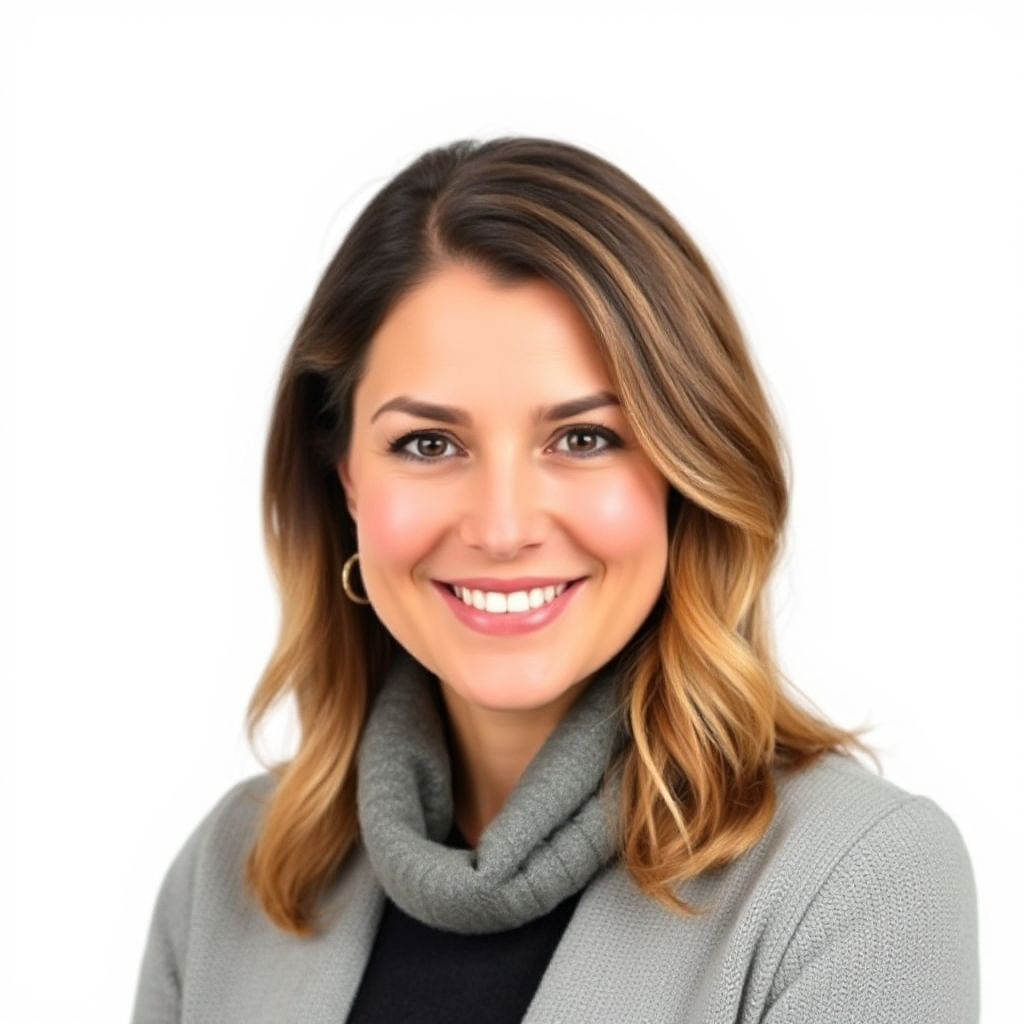
Sometimes, healthcare worker Lorna Grinnell-Moore gets the phone slammed down on her. Often, she must hear to various far-fetched false claims and, on one occasion, she remembers being shouted at.
"You will inevitably encounter ones like that, unwilling to accept information, and it feels like a failure."
Yet, this comprises the routine duties for Lorna. She has been contacting parents whose kids are overdue for measles, mumps and rubella (MMR) vaccinations with the aim of encouraging them to get immunised. Inadequate uptake of vaccines mean the illness has found room to circulate in the city, predominantly in children below the age of ten.
An Active Strategy
Lorna's been here before - she was involved with a unit of public health employees that made 13,000 calls in only a quarter of a year after an increase in measles infections in late 2023 affected hundreds of children. These discussions by themselves led nearly 1,000 formerly unsure parents and young people to accept the opportunity vaccination.
Within a London borough, which is grappling with a measles outbreak, officials are looking to strategies from Birmingham for methods to control it. Fifty cases have been reported up to now, mainly among small children, some of whom have been hospitalized.
Mobilizing Experience
Amidst the city's 2023 surge, some ex-healthcare workers were brought out of retirement, as occurred previously. In this instance, though, as opposed to vaccinating people, they were being deployed to persuade people to get them.
The team was tasked with conducting multiple phone attempts to guardians and individuals under twenty-five years old to talk about their hesitancy getting the vaccine against a disease that can have serious consequences - including meningitis, blindness and, infrequently, death.
Currently, Lorna, the clinical lead for immunization services, and a group of nurse specialists have been recruited to bash the phones again as infections are increasing again.
A Delicate Communication Task
It's not an easy task. A particular technique is needed which combines listening closely and attempting to comprehend the caller.
"Once I get a handle on their perspective, I can then answer their questions," states Lorna. "Sometimes they listen, and other times they state they don't want to hear more."
"The goal isn't to act like a demanding nurse."
If people are prepared to continue the conversation, Lorna feels she can then address their fears or worries about the vaccine and assist in alleviating them.
Guidelines and Assistance
A policy limits calls to three attempts. A further protocol discourages message-leaving to prevent misunderstanding. Colleagues who speak a range of tongues, including French, Italian, Arabic and Urdu, can assist in outreach when English isn't a person's first language.
Complementing the telephone campaign, the joint incident management team additionally executes an advertising campaign and engages with neighborhood associations.
Measurable Impact
The comprehensive campaign has had a significant effect. During 2024, thousands of additional immunizations were carried out – and the total number of jabs was 20 percent greater than the year before.
Notably, there had been reduced immunization rates among certain ethnic groups, such as Roma, Eastern European, South Asian, and Black communities.
Language barriers were addressed by expanding the resources available in multiple languages, featuring scannable QR codes linked to videos explaining about the benefits, paired with standard public signage.
Local Clinics Take Action
A number of primary care clinics have also begun undertaking their own call-and-recall work. An example is Hall Green Health, which has even taken it a step further by providing doctor consultations to concerned parents so they can address their questions directly with a physician.
"I think we have become complacent about just how serious measles is," states Dr. Sonia Ashraf, a partner.
She says there are multiple factors that cause hesitancy. The inclusion of porcine gelatine in MMR is a common concern, however, this has a straightforward solution by offering the version of the jab that is gelatine-free.
Debunked studies from the 1990s wrongly connecting the vaccine to autism also often arises, while some parents also worry about the volume of recommended jabs offered to children. During the preschool years, they will have been scheduled for six vaccination sessions.
"Many families ask why children need so many or think that their children are healthy enough these diseases," notes the doctor. "We spend time going through the evidence with them – falsehoods are prevalent out there."
Funding Challenges and Future Outlook
The call-and-recall support has since been offered to other GP practices. However, due to limited funding, it is something that can only be done in a constrained manner. In 2025, immunization rates dropped back to previous benchmarks, leaving the city significantly under the 95% threshold needed for herd immunity.
But while there have been spikes in infection, there has been nothing like the number of cases that were seen two years ago, when diagnoses surpassed five hundred.
The head of vaccinations, says the outreach approach "proves highly effective" but "not a cure-all" and needs to be paired with additional measures. Ideally, he says it would be implemented more broadly but further investment is needed.
The present financial support for the program runs until late March.
Countrywide Challenges
This strategy isn't unique to implement this method. Various other regions have undertaken analogous programs.
But shifting the dial nationally has proved difficult. Right now, under 85 percent of children have had the complete course by the age of five.
"This is a genuine difficulty," notes a specialist. "The reasons for not getting vaccinated are complex and different. One thing that often gets overlooked is practical availability. For


